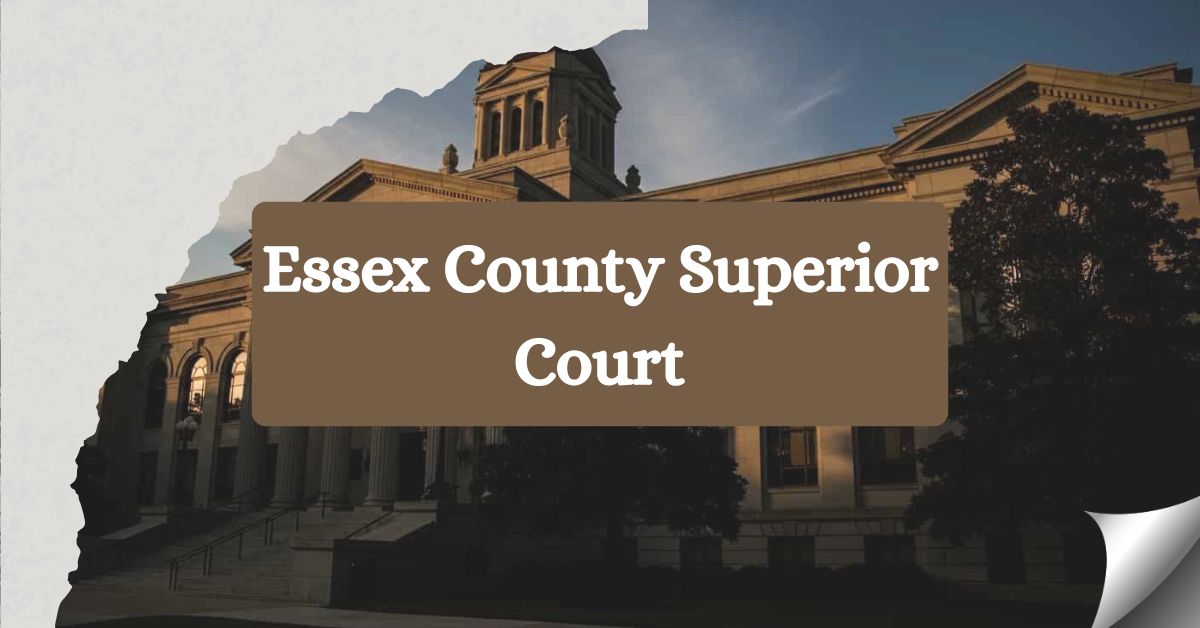
Essex County Superior Court NJ serves as the main trial court for Essex County, handling a wide range of civil, criminal, and family cases. The court ensures that legal matters are addressed efficiently while following the state judiciary’s rules. Its structured system helps separate complex cases from routine ones, making the process clear for residents, attorneys, and businesses alike. By providing specialized divisions, the court can focus on specific case types while maintaining consistency across proceedings. This setup strengthens the county’s trial court system and supports fair outcomes for all parties.
The Essex County Superior Court NJ includes the Law Division, Chancery Division NJ, and Civil Court Essex, each handling distinct legal matters. The Law Division manages criminal and civil trials, while the Chancery Division focuses on family, probate, and juvenile cases. Civil Court Essex deals with small claims, landlord-tenant disputes, and other lower-level civil matters. Together, these divisions form an organized judiciary structure that aligns with New Jersey’s state judiciary standards. Tools like the Quick Court Lookup help track cases by name or docket number, making the court system accessible and user-friendly.
How to Search Cases in Essex County Superior Court NJ
Searching for cases in Essex County Superior Court NJ is straightforward with the official New Jersey Judiciary Case Search portal. Users can quickly find case information for civil, criminal, family, and probate matters using party names, case numbers, or docket numbers through the Essex County Court system. The system ensures accurate and up-to-date information directly from the court, making it easier for residents, attorneys, and businesses to track cases.
The Essex County court system includes multiple divisions:
- Law Division – Handles criminal trials and civil lawsuits.
- Chancery Division NJ – Manages family law, probate, and juvenile matters.
- Civil Court Essex – Deals with small claims, landlord-tenant disputes, and other lower-level civil cases.
Steps to Search Cases
Official NJ Judiciary Case Search Portal: https://www.njcourts.gov/public/find-a-case
Follow these steps to locate your case:
Open the Official Case Search Page
- Visit https://www.njcourts.gov/public/find-a-case.
- Read the terms and conditions and click Agree to proceed.
Select the Correct Search Option
From the list of options:
- Click “Search Civil and Foreclosure Cases”
This is the primary tool for cases in Civil Court Essex, Law Division, and some Chancery Division NJ cases.
Choose Your Search Method
The portal offers multiple ways to search:
- By Party Name – Enter the first and last names of the plaintiff or defendant.
- By Case/Docket Number – Use the exact case number provided in filings or notices.
- By Filing Date or Year – Optional filters to narrow results.
Enter Case Information
- Party Name Search – Use the full legal name. For example: John Smith.
- Case/Docket Number Search – Enter the number exactly, including hyphens.
- Filters – You can select county (Essex) or division if needed.

Select Court Division
- Civil Court Essex – Small claims, landlord/tenant, lower-level civil matters.
- Law Division – Criminal and civil trials.
- Chancery Division NJ – Family, probate, juvenile, and equity cases.
Choosing the correct division ensures more accurate results.
Click Search
- Hit the Search button.
- Results will display all matching cases.
- Click a case to view:
- Parties involved
- Case status (open, pending, or closed)
- Scheduled hearings or trials
- Case filings and dockets
Court Divisions in Essex County Superior Court
The Essex County Superior Court is organized into clear divisions so each case type follows defined procedures and timelines. This structure helps parties file correctly, meet deadlines, and track progress from start to finish. Below is a detailed explanation of the main divisions, their roles, and how cases move through each one.
Law Division – Essex County
The Law Division Essex County handles most civil and criminal trial matters. On the civil side, this division hears disputes involving personal injury claims, contract disagreements, property disputes, and other non-family lawsuits where monetary damages or legal rulings are requested. These cases form the backbone of civil court Essex operations.
Steps to file a civil complaint in the Law Division:
- Prepare a civil complaint stating the facts, legal claims, and requested relief.
- File the complaint with the Superior Court Clerk’s Office in Essex County.
- Pay the required filing fee or submit a fee waiver request if eligible.
- Serve the complaint on all defendants using approved service methods.
- File proof of service with the court to confirm delivery.
Court rules and timelines:
- Defendants usually have 35 days to file an answer after service.
- Discovery often lasts several months, depending on case complexity.
- Motions follow set filing schedules under New Jersey court rules.
- Trials are scheduled once discovery closes and pretrial steps finish.
Chancery Division – NJ
The Chancery Division NJ handles cases based on fairness and court-ordered actions rather than monetary damages alone. This division hears equity cases such as injunction requests, fiduciary disputes, guardianships, trust matters, probate issues, and family-related cases.
Common matters in the equity court NJ include:
- Court orders stopping or requiring specific actions
- Disputes involving trustees or estate representatives
- Guardianship and incapacity proceedings
- Probate and estate administration conflicts
Steps to file a chancery matter:
- Draft a verified complaint or application describing the equitable relief sought.
- File documents with the Essex County Superior Court clerk.
- Submit supporting certifications or affidavits when required.
- Serve all interested parties according to chancery court rules.
- Attend hearings or conferences scheduled by the court.
Chancery cases often move faster than standard civil lawsuits, especially when immediate relief is requested. Judges have broad authority to issue equitable remedies based on the facts presented.
Criminal Division Overview
For completeness, the Criminal Division manages serious criminal cases in Essex County. This includes indictable offenses such as theft, assault, drug charges, and other felony-level matters.
Key functions of the criminal court Essex include:
- Arraignments and pretrial conferences
- Motions and plea hearings
- Jury trials and sentencing proceedings
Court Jurisdiction & Powers
Court jurisdiction defines what cases a court can hear and what decisions it can issue within the trial court system. In Essex County, the Superior Court operates under New Jersey law and exercises authority over civil, criminal, and equitable matters. This section explains how jurisdiction works, where power begins and ends, and how appeals move through the court system.
Civil vs. Criminal Jurisdiction
Civil jurisdiction covers disputes between private parties. These cases often involve money, property rights, or court-ordered actions. In Essex County, civil matters include personal injury claims, contract disputes, landlord-tenant cases, and equity matters filed in the Chancery Division. The goal is to resolve conflicts and provide legal remedies such as damages or injunctions.
Criminal jurisdiction addresses offenses against the state. These cases involve prosecution by county or state authorities and may result in penalties such as fines, probation, or incarceration. The Superior Court hears serious criminal offenses, often called indictable crimes, while lower courts handle minor offenses. This division of responsibility keeps the trial court system balanced and efficient.
Key differences between civil and criminal jurisdiction include:
- Who files the case: private parties in civil matters, the state in criminal cases
- Burden of proof: preponderance of evidence in civil cases, proof beyond a reasonable doubt in criminal cases
- Outcomes: damages or court orders versus criminal penalties
Exclusive vs. Concurrent Jurisdiction
Jurisdiction may be exclusive or shared with other courts. Exclusive jurisdiction means only one court has the legal power to hear a specific type of case. In Essex County, the Superior Court holds exclusive authority over most indictable criminal matters and higher-value civil disputes. These cases cannot begin in lower courts.
Concurrent jurisdiction allows more than one court to hear the same type of case. Some civil matters, such as lower-value disputes or landlord-tenant cases, may start in municipal court or the Superior Court, depending on filing choices and claim amounts. This shared authority helps manage caseloads and gives parties filing options within legal jurisdiction NJ rules. Understanding where a case belongs prevents delays and improper filings. Filing in the wrong court may lead to dismissal or transfer, which can extend timelines and raise costs.
Appellate Jurisdiction and the Appeals Process
The Superior Court also plays a role in appeals, which review decisions made by lower courts. Appeals do not retry the case. Instead, judges review the record to determine whether legal errors occurred that affected the outcome.
The basic appeals process includes:
- Filing a notice of appeal within the required deadline
- Preparing written briefs that explain legal arguments
- Submitting transcripts and court records
- Attending oral argument if scheduled
Most appeals from Essex County trial courts move to the Appellate Division of the New Jersey Superior Court. Appellate judges may affirm, reverse, or remand cases for further proceedings. Their authority focuses on correcting legal mistakes rather than reassessing facts.
Limits on Court Powers
Court power is broad but not unlimited. Jurisdiction is defined by statutes, court rules, and constitutional boundaries. Judges must act within these limits when issuing rulings, orders, or sentences. This framework protects due process and maintains consistency across the authority of Essex County Court operations. By knowing how jurisdiction works, parties gain clarity on where cases belong, what outcomes courts may issue, and how decisions may be reviewed on appeal. This knowledge supports informed case planning within the New Jersey trial court system.
Judiciary Structure in Essex County
The judiciary structure in Essex County follows a clear hierarchy that defines how cases are managed, reviewed, and resolved within the Essex County Superior Court NJ. This structure supports consistency, accountability, and orderly case flow across civil, criminal, and chancery matters. Each role within the court system carries defined duties that contribute to daily court operations.
Judges and Judicial Leadership
Judges serve as the primary decision-makers in the Essex County Superior Court. They preside over trials, hear motions, interpret state laws, and issue rulings based on evidence and legal arguments. Judges are assigned to divisions such as the Law Division, Chancery Division, and Criminal Division, depending on case type and experience.
Within the judge hierarchy:
- Assignment Judges oversee administrative functions for the county courts
- Presiding Judges manage specific divisions and supervise case flow
- Trial Judges handle hearings, trials, and case decisions
Magistrates and Judicial Support Roles
Magistrates assist with early-stage proceedings and procedural matters. Their role often includes handling pretrial conferences, reviewing filings, and managing limited hearings under delegated authority. Magistrates help reduce delays and support judges by managing routine judicial tasks. These officials act under court rules and established authority limits, ensuring procedural steps remain consistent within the broader NJ judicial branch framework.
Court Clerks and Administration
Court clerks play a central role in court administration. They manage filings, maintain public records, schedule hearings, and process judgments. Clerks serve as the main contact point for attorneys and the public when submitting documents or requesting case information.
Key clerk responsibilities include:
- Accepting and processing case filings
- Managing docket entries and court calendars
- Issuing official court notices and judgments
- Maintaining archived and active court records
Placement Within the New Jersey Judiciary
The Essex County Superior Court NJ operates as part of the statewide trial court system under the New Jersey Judiciary. While the court serves Essex County directly, it follows uniform rules, procedures, and administrative policies set at the state level. This alignment ensures fairness and consistency across all counties. Appeals from Essex County trial courts move upward within the same judiciary structure, reinforcing standardized legal review processes statewide.
Visual Structure Reference
A visual organization chart often helps users understand judge hierarchy and division roles. Such a chart typically shows:
- Assignment Judge at the top
- Division Presiding Judges below
- Trial Judges organized by division
- Clerk and administrative offices supporting all levels
Filing Process
The filing process in the Essex County Superior Court NJ follows structured procedures so cases enter the system correctly and move without delay. Civil and chancery matters use different paths, yet both rely on accurate documents, proper fees, and timely submission. Below is a clear breakdown to help filers complete each step with confidence.
Civil Case Filing (Law Division – Essex County)
Civil cases filed in the law division essex county usually involve personal injury claims, contract disputes, or property-related matters. These cases seek monetary damages or legal rulings.
Steps to civil filing process:
- Draft a civil complaint that outlines facts, legal claims, and requested relief.
- Complete the required case information statement and civil cover sheet.
- File documents with the Superior Court Clerk in Essex County, either in person or through approved electronic filing systems.
- Pay the filing fee at submission or submit a fee waiver request if eligible.
- Serve all defendants with filed documents using authorized service methods.
- File proof of service with the court to confirm delivery.
Chancery Filings (Chancery Division NJ)
The chancery division nj handles matters based on equity rather than damages alone. These filings often request court orders, injunctions, or oversight of fiduciary responsibilities.
Chancery filing steps include:
- Prepare a verified complaint or application explaining the equitable relief requested.
- Attach certifications, affidavits, or supporting exhibits when required.
- File documents with the Essex County Superior Court clerk.
- Pay the applicable chancery filing fee or request a waiver if qualified.
- Serve all interested parties following chancery court rules.
- Attend hearings or case management conferences as scheduled.
Fee Structure and Required Documents
Filing fees depend on case type and division. Civil complaints and chancery actions have separate fee schedules set by court rules.
Commonly required documents include:
- Complaint or verified complaint
- Case information statement
- Civil cover sheet or chancery intake form
- Filing fee payment or waiver request
- Proof of service documents
Faster Processing
- Use the correct division when filing to avoid reassignment delays.
- Double-check names, addresses, and party details before submission.
- Attach all required forms and certifications in one complete filing.
- File early in the day when submitting in person.
- Keep copies of all documents and receipts for reference.
How to Access Essex County Superior Court Services
Accessing services for civil court Essex, chancery division NJ, and other court functions is straightforward when you know where to go, when offices are open, and how to use online options. Below is complete, accurate information about courthouse locations, contact numbers, hours, and digital tools.
Court Locations & Contact Information
The Essex County Superior Court NJ operates multiple courthouse facilities in and around Newark, New Jersey. Different divisions and services are located in specific buildings:
- Essex County Veterans Courthouse
50 West Market Street, Newark, NJ 07102
Main Phone: 973-776-9300
Handles civil filings, some criminal matters, and general services. - Essex County Historic Courthouse
470 Dr. Martin Luther King, Jr. Blvd., Newark, NJ 07102
973-776-9300
Historic court location that may house administrative and overflow services. - Dr. Martin Luther King, Jr. Justice Building
495 Dr. Martin Luther King, Jr. Blvd., Newark, NJ 07102
973-776-9300
Used for multiple divisions and related filings. - Essex Probation Services Division
60 Evergreen Place, East Orange, NJ 07018
973-776-9300 ext. 53201
Probation supervision and related services. - Civil Court Customer Service (Civil Division)
Hall of Records, 465 Dr. Martin Luther King Jr. Blvd., Room 201, Newark, NJ 07102
973-776-9300 ext. 56800
For civil filings, case information, and forms.
Hours of Operation
Most Superior Court offices and clerk counters are open:
Monday – Friday: 8:30 a.m. – 4:30 p.m.
Courts are closed on weekends and official state holidays.
Keep in mind:
- Filing counters may close slightly earlier than the clerk office hours.
- Court hearings and calendars have separate schedules set by judges.
Frequently Asked Questions
The Essex County Superior Court NJ handles a wide range of legal matters, and many court users share similar questions about case searches, court divisions, and contact options. This section provides clear answers to common court inquiries using simple language and accurate information. Each response explains court procedures in a practical way so users can take the next step with confidence. The goal is to help the public understand how the court system works without needing legal training. These answers apply to most civil and chancery matters filed in Essex County.
How do I find my case in Essex County Superior Court NJ?
To find a case in the Essex County Superior Court NJ, users can rely on the official New Jersey Judiciary case search system. The search allows case lookup by party name, docket number, or case number. Most civil and foreclosure cases appear in the public database, including many matters handled by civil court Essex. Search results usually show filing dates, current case status, and upcoming court events. If a case is older, sealed, or archived, it may not appear online. In such situations, users can request records through the clerk’s office for further assistance. This process supports reliable NJ case lookup without visiting the courthouse.
What types of cases are heard in Law Division Essex County?
The Law Division Essex County hears both civil and criminal matters within the county trial court system. Civil cases often involve disputes over money, contracts, injuries, or property rights. These matters are part of civil court Essex and follow statewide filing and discovery rules. The division also hears serious criminal cases, including indictable offenses prosecuted by the state. Judges assigned to this division manage motions, hearings, and trials. Case timelines depend on complexity and procedural steps. This division plays a central role in resolving disputes under New Jersey law.
How can I contact the Chancery Division NJ?
The chancery division NJ is contacted through the Essex County Superior Court administration offices. Chancery matters include family law, probate, guardianships, trusts, and other equity-based cases. Court users may contact the division by phone, in person during business hours, or through written requests handled by court clerks. Clerks can provide procedural guidance, filing information, and scheduling details. They cannot give legal advice or opinions on case outcomes. For updated contact numbers and office locations, users should refer to official listings maintained by the New Jersey Judiciary. This ensures accurate and current information.
Is Essex County Superior Court part of the NJ trial court system?
Yes, the Essex County Superior Court NJ is a core part of New Jersey’s statewide trial court system. It serves as the primary court for civil, criminal, and chancery matters within the county. The court operates under uniform rules and procedures established by the New Jersey judicial branch. Judges, clerks, and administrators follow statewide standards to maintain consistency across counties. Decisions made in Essex County may be reviewed through the appellate process. This structure supports fairness and reliability across the entire state court system.