
Essex County criminal court NJ handles serious criminal cases filed within the county through the Criminal Division of the Superior Court system. It operates from the Newark NJ courthouse and serves as the main trial court for felony-level offenses. The court manages cases such as aggravated assault, robbery, drug crimes, and weapons charges. Judges follow New Jersey state law and court rules during each stage of a criminal case. The system protects defendant rights while maintaining public safety across Essex County.
Within the criminal court in Essex County, cases move through the Criminal Division Superior Court under the Superior Court of New Jersey. The Essex County judiciary processes indictments, pretrial hearings, jury trials, and sentencing from its Newark location. The court works closely with the Essex County Prosecutor’s Office, public defenders, and private defense attorneys. Each case follows a structured path that includes arraignment, grand jury review for indictable crimes, and trial or plea resolution. This organized process allows Essex County criminal court NJ to manage a high volume of cases efficiently and fairly.
How the Essex County Criminal Court System Works
The criminal court process follows a structured path set by the New Jersey judiciary. Serious criminal charges move through the Superior Court Criminal Division, while less serious matters begin in municipal courts. Essex County Court helps define jurisdiction and keeps the system organized.
Municipal Court vs Superior Court in Essex County
The difference between municipal vs superior court depends on the level of the offense and the court’s jurisdiction. Municipal courts handle lower-level violations within individual towns, while the Superior Court manages major criminal matters for the entire county.
Municipal Courts typically handle:
- Traffic violations
- Local ordinance violations
- Disorderly persons offense charges
- Minor drug possession cases
- Simple assault cases
The Superior Court Criminal Division, often referred to as felony court NJ, handles more serious crimes known in New Jersey as indictable offenses. These cases involve higher penalties and formal trial procedures.
Indictable vs Non-Indictable Offenses
New Jersey law separates crimes into indictable and non-indictable categories. This classification determines whether a case remains in municipal court or moves to the Superior Court. A disorderly persons offense is considered non-indictable. These cases stay in municipal court and do not require grand jury review. In contrast, an indictable offense requires formal prosecution in the Superior Court Criminal Division.
Examples include:
| Offense Type | Heard In | Examples |
|---|---|---|
| Disorderly Persons Offense | Municipal Court | Shoplifting (low value), simple assault |
| Indictable Offense | Superior Court Criminal Division | Robbery, aggravated assault, drug distribution |
For indictable crimes, a grand jury reviews evidence presented by the prosecutor. If sufficient evidence exists, the grand jury issues an indictment and the case proceeds in Superior Court.
Steps to Criminal Court Process in Essex County
The criminal court process Essex County for indictable cases follows a clear progression from arrest to final resolution. Each stage protects constitutional rights and allows both sides to present evidence.
The process usually includes:
- Arrest or criminal complaint filing
- First court appearance
- Pretrial detention hearing
- Grand jury review (for indictable offenses)
- Arraignment in Superior Court
- Pretrial conferences
- Trial or plea agreement
- Sentencing
An arraignment is the formal reading of charges. During this hearing, the defendant enters a plea. Many cases resolve through a negotiated plea agreement, though some proceed to trial before a judge or jury.
Criminal Division Structure and Vicinage System
Essex County operates within Vicinage 5 of the New Jersey court system. The vicinage system groups counties for administrative management and consistent judicial oversight. The Superior Court Criminal Division includes multiple components that support case movement through the system.
Key parts of the structure include:
- Criminal trial judges
- Pretrial services officers
- Probation department staff
- Court clerks and case managers
How to Search Criminal Records in Essex County
Criminal records Essex County can be searched through the official New Jersey Judiciary online system. The state provides a public access portal where users can perform an Essex County case search, review an Essex County court docket, and conduct an NJ criminal case lookup by name or case number. The New Jersey court system maintains criminal case data through its centralized electronic database. This system allows the public to check case status, court dates, and docket activity for matters handled in the Superior Court Criminal Division. Most indictable cases filed in Essex County appear in this database, though certain details remain restricted by law.
Where to Search: Official NJ Judiciary Public Access Portal
The official website for online searches is: https://portal.njcourts.gov
This platform serves as the statewide public access portal for court records. It covers Superior Court cases, including criminal matters from Essex County. Users do not need to visit the courthouse for basic docket information. The system provides remote access to many case details, reducing the need for in-person record requests.
Visit the Official Portal
Go to: https://portal.njcourts.gov
Select the option for public case search. Some features may require account registration.
Choose Search Type
The system allows searches by:
- Name (first and last name of defendant)
- Case number
- Complaint number
- Indictment number
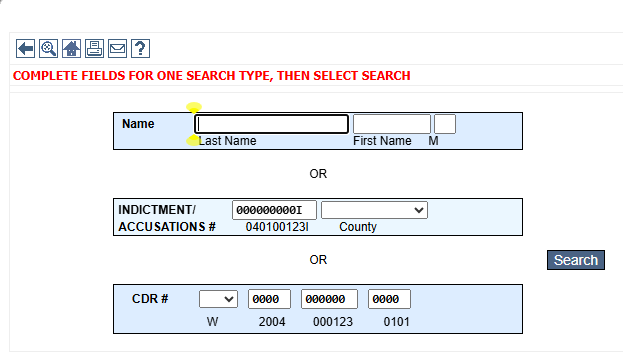
Enter Search Details Carefully
Input the information exactly as filed in court records. Use correct spelling and avoid extra spaces. If searching by name, try different spelling variations if no results appear.
Filter Case Status
The portal allows filtering by:
- Active vs closed case
- Court division
- Filing date range
Review the Case Summary Page
Once selected, the system displays:
- Defendant name
- Case number
- Charges filed
- Court location
- Case status
- Assigned judge
View the Docket Sheet
Click into the Essex County court docket section to review the docket sheet. This section lists chronological court activity such as:
- Filing dates
- Arraignment dates
- Motions filed
- Court hearings
- Case disposition
What Information Appears in Criminal Records Essex County
The public portal generally displays:
- Defendant name
- Case type (criminal)
- Indictment details
- Hearing dates
- Court orders
- Sentencing information (if available)
Arrest Records in Essex County NJ
Arrest records Essex document when law enforcement takes a person into custody based on suspected criminal activity. These records begin at the time of arrest and continue through jail intake, forming part of the official custody history within the county system. In Essex County, arrest and detention data connect directly with the Essex County Department of Corrections, which operates the county detention center and manages inmate records. Many residents use the essex county jail inmate search system to confirm whether someone is currently in custody.
What Arrest Records Include
Arrest records are created during a custodial arrest, when officers detain and transport a suspect to a detention facility. The information gathered during intake becomes part of the official booking records NJ database.
Typical booking records include the following details:
- Full legal name
- Date and time of arrest
- Arresting law enforcement agency
- Criminal charges filed
- Bail or detention status
- Booking number
- Assigned housing unit within the detention center
During the booking process, officers collect identification details, perform fingerprinting, and take photographs. These steps create the official jail intake record used for identification and tracking within the system.
Essex County Jail Inmate Search
The essex county jail inmate search tool allows the public to verify custody status through the county detention center database. This search system reflects current incarceration data maintained by the corrections department.
Search results commonly display the following information:
- Inmate name
- Booking date
- Custody status
- Scheduled court appearance date
Arrest vs Conviction: Key Difference
An arrest record shows that police detained someone based on probable cause. A conviction record shows that a court found the person guilty after trial or plea. These two records serve different legal purposes.
The distinction affects background checks and legal rights in significant ways:
- Arrest = Law enforcement action
- Conviction = Court judgment
- Arrest does not establish guilt
- Court disposition determines final outcome
Mugshot Policies in New Jersey
New Jersey maintains controlled public disclosure policies regarding booking photographs. Mugshots are not automatically published in all public databases.
Public release policies typically include the following standards:
- Serious charges may result in media release
- Juvenile mugshots remain confidential
- Expunged case images are removed from standard public view
Record Limitations and Restrictions
Certain arrest records remain restricted under state privacy laws. Courts limit public visibility for specific categories of cases.
Common record limitations apply to the following situations:
- Juvenile arrests
- Expunged records
- Sealed criminal cases
- Ongoing investigations
Warrant Search NJ – Essex County
Performing a warrant search NJ in Essex County helps individuals and legal professionals confirm whether a judge has issued any warrants. Warrants authorize law enforcement action, usually for criminal charges, missed court appearances, or probation violations. While there is no public online portal listing all warrants, residents can take official steps to verify warrant status safely. In Essex County, warrants are monitored by the New Jersey State Police, the Criminal Division of the Superior Court in Newark, and the Essex County Prosecutor’s Office. Understanding the different types of warrants and how to check them is important to avoid additional legal complications.
Bench Warrant vs Arrest Warrant
A bench warrant Essex County is typically issued when a person fails to appear in court as required. It authorizes law enforcement to take the individual into custody immediately. In contrast, an arrest warrant is issued based on probable cause that a crime has occurred, often after an investigation or complaint.
Key differences include:
- Bench Warrant: Triggered by procedural violations like missed hearings.
- Arrest Warrant: Issued for suspected criminal activity.
- Impact: Both allow law enforcement to detain the person, but a bench warrant usually relates to court non-compliance rather than a new crime.
How to Check Warrant Status
Although NJ does not provide a public online warrant search, there are official ways to verify if a warrant is active:
- Contact the Criminal Division Clerk: Call the Superior Court in Newark to confirm whether a warrant exists. Clerks cannot provide all details over the phone but can guide you on next steps.
- Consult the Essex County Prosecutor’s Office: They can provide information about warrants related to ongoing criminal cases.
- NJ Criminal Case Lookup (Indirect Check): Some warrant-related information can be inferred by checking pending or “Failure to Appear” cases in the https://portal.njcourts.gov. This is an indirect method and does not show active warrants explicitly.
- Consult an Attorney: Lawyers can safely verify warrant status and advise on surrender procedures or bail arrangements.
How to Check Active Warrants in Essex County
Follow these steps to confirm a warrant:
- Call the Criminal Division Clerk – Contact the Superior Court in Newark for guidance.
- Check NJ Criminal Case Lookup – Use the NJ Judiciary portal for indirect confirmation of missed court appearances.
- Consult an Attorney – Legal counsel can advise on the safest way to address a bench or arrest warrant.
The Indictment Process in Essex County
The indictment process in Essex County is a critical step in handling serious criminal charges. This process determines whether an accused person will face a formal criminal indictment NJ after initial arrest and investigation. It ensures that sufficient evidence exists to proceed with felony charges and protects defendants’ constitutional rights. The process involves multiple steps, beginning with law enforcement investigation and ending with either a formal indictment or dismissal. Throughout this timeline, the Essex County Prosecutor’s Office oversees case review, filing decisions, and presentation to the grand jury Essex County when appropriate.
What Is a Grand Jury?
A grand jury Essex County is a group of citizens selected to review evidence presented by the prosecutor and determine if there is probable cause to charge someone with an indictable offense. Grand juries do not decide guilt or innocence; their role is limited to evaluating whether a formal criminal charge is justified.
Key points about the grand jury include:
- Composition: 23 citizens in Essex County
- Role: Reviews evidence submitted by prosecutors
- Outcome: Issues a true bill if they find probable cause, or a no bill if insufficient evidence exists
- Confidentiality: Proceedings are closed to the public
Timeline From Arrest to Indictment
The felony charge process in Essex County follows a structured sequence:
- Arrest: Law enforcement detains the suspect based on probable cause.
- Initial Appearance/Arraignment: Defendant is informed of charges in municipal or Superior Court.
- Prosecutor Review: The prosecutor evaluates the case, collects evidence, and may schedule a pre-indictment conference with defense counsel.
- Grand Jury Consideration: For indictable offenses, the prosecutor presents evidence to the grand jury.
- Indictment Decision:
- True Bill: Grand jury finds probable cause; formal indictment is issued.
- No Bill: Insufficient evidence; case may be dismissed.
- Plea Negotiation (Optional): Before trial, the prosecutor and defense may discuss a plea agreement.
Role of the Prosecutor
The prosecutor is central to the indictment process. Their responsibilities include:
- Reviewing initial police reports and evidence
- Presenting cases to the grand jury
- Determining whether charges are appropriate
- Advising on plea offers during negotiations
Bail Hearing Process in Essex County NJ
A bail hearing in Essex County NJ determines whether a defendant can be released from custody before trial. This process evaluates risk, ensures public safety, and aligns with bail reform New Jersey policies, which emphasize reducing reliance on cash bail and increasing fair access to pretrial release. Following an arrest, the court schedules a hearing to review the defendant’s situation, criminal history, and potential flight risk. The goal is to balance public safety with the defendant’s right to liberty while awaiting trial.
Timeline After Arrest
After an arrest in Essex County, the pretrial detention NJ process follows a structured sequence. The court and pretrial services, including the municipal court, work together to evaluate risk and determine release eligibility. This timeline ensures that the defendant receives timely review and that public safety is maintained.
Key steps typically include:
- Initial Detention: Law enforcement files charges, and the defendant is booked at the county detention center.
- First Appearance/Arraignment: Within 48 hours, the defendant appears before a judge, and bail eligibility is considered.
- Pretrial Services Evaluation: Probation or pretrial services staff conduct a public safety assessment to evaluate flight risk and threat to the community.
- Bail Hearing: Judges hold a risk assessment hearing to determine release conditions, including release on recognizance or supervised pretrial release.
How Bail Hearings Work Under NJ Bail Reform
The bail reform New Jersey system shifted the focus from cash bail to risk-based release. Judges now rely on pretrial evaluations to make decisions that protect the community while avoiding unnecessary detention.
During a bail hearing, the court considers:
- Pretrial services reports assessing flight risk and threat to public safety
- Detention motions requested by the prosecutor
- Severity of the charges and criminal history of the defendant
- Options for release on recognizance or supervised pretrial release
Key Considerations
Before setting bail or pretrial conditions, the court takes several factors into account. The purpose is to provide appropriate release while maintaining public safety and court compliance.
Important aspects include:
- Release on Recognizance (ROR): Eligible defendants may be released without posting cash.
- Supervised Pretrial Release: Includes check-ins, electronic monitoring, or travel restrictions.
- Pretrial Services Role: Officers provide reports and supervision recommendations.
- Detention Motion: Prosecutors can request detention for high-risk individuals.
Sentencing in Essex County Criminal Court
Sentencing in Essex County Criminal Court determines the legal consequences for a defendant after a conviction or guilty plea. This process sets the framework for punishment, including prison, probation, fines, or a combination. In New Jersey, judges follow criminal sentencing NJ guidelines while maintaining discretion to consider the individual circumstances of each case. Sentencing ensures that justice balances public safety, deterrence, and rehabilitation. It also provides transparency for victims, defendants, and the community regarding the consequences of criminal behavior.
The Sentencing Hearing
A sentencing hearing occurs after a conviction, either by trial or through a plea agreement. During this hearing, the judge reviews the facts of the case, criminal history, and recommendations from both the prosecution and defense. The hearing allows the court to weigh aggravating factors (such as prior convictions or severity of the crime) and mitigating factors (such as cooperation or first-time offenses). This ensures that the sentence is fair and proportional to the offense.
Typical considerations in a sentencing hearing include:
- Nature and seriousness of the crime
- Defendant’s prior record and criminal history
- Victim impact statements
- Recommendations from pre-sentence investigation reports
Judge Discretion and Sentencing Guidelines
While New Jersey provides prison term guidelines, judges retain discretion to adjust sentences based on the case. Sentencing can include:
- Mandatory minimum terms for specific offenses
- Probation or supervised release (probation Essex County)
- Community service or fines
- Combination of incarceration and probation
Judges may consider alternative sentencing for eligible defendants, especially for first-time or low-risk offenders. Probation often includes conditions such as counseling, drug testing, or regular reporting to probation officers.
Appeals and Post-Sentencing
Defendants have the right to appeal a sentence if they believe the punishment was excessive or legally improper. The appeals process reviews whether the court correctly applied sentencing laws and followed procedural requirements.
Other post-sentencing considerations include:
- Parole eligibility for certain prison terms
- Modifications to probation or sentence conditions based on behavior
- Compliance monitoring by pretrial or probation services
Essex County Prosecutor Office – Role & Responsibilities
The prosecutor office in Essex County serves as the primary legal authority responsible for prosecuting criminal cases within the county. Often referred to as a district attorney New Jersey, the office oversees investigations, reviews evidence, and ensures cases proceed fairly and efficiently under state law. Its mission is to balance public safety with the rights of defendants while supporting victims throughout the justice process.
Charging Decisions
The essex county prosecutor plays a critical role in evaluating whether criminal charges should be filed. This process begins with reviewing police reports, witness statements, and other investigative materials. Prosecutors assess the strength of evidence to determine if there is a reasonable basis to pursue charges. These decisions prevent weak cases from advancing and ensure that justice is served in serious matters.
Key points about charging decisions include:
- Reviewing probable cause and evidence quality
- Consulting with law enforcement agencies
- Determining appropriate criminal charges
- Deciding whether to proceed to indictment or dismissal
Grand Jury Presentations
For serious felony cases, the prosecutor office presents evidence to a grand jury Essex County. The grand jury evaluates whether there is enough proof to formally charge an individual with an indictable offense. This system provides citizen oversight and ensures that serious criminal charges are supported by credible evidence.
During grand jury proceedings, the prosecutor may:
- Present witness testimony and documents
- Explain the legal basis for charges
- Request a true bill if evidence supports indictment
- Accept a no bill if evidence is insufficient
Plea Bargaining
Plea negotiations are a common practice in Essex County, allowing cases to resolve efficiently while protecting public safety. The prosecutor office works with defense attorneys to reach agreements that may reduce sentencing uncertainty and prevent long, costly trials. Plea bargaining also provides defendants with the opportunity to accept responsibility in exchange for a potentially lesser sentence.
Plea bargaining considerations often include:
- Severity of charges
- Defendant’s criminal history
- Potential for rehabilitation
- Court and victim input
Victim Services
Supporting victims is a core function of the prosecutor office. Victim services ensure that individuals affected by crime receive guidance, information, and emotional support throughout the criminal justice process. The office communicates about hearings, explains legal procedures, and provides access to counseling and advocacy resources.
Key victim services include:
- Notification of court dates and outcomes
- Assistance with filing victim impact statements
- Referrals to counseling and support programs
- Guidance on restitution and protective measures
Essex County Criminal Court NJ Location
The Essex County criminal court NJ location is based in Newark, serving as the primary courthouse for serious criminal cases and indictable offenses. The main facility is the Superior Court of New Jersey, Vicinage 5, commonly referred to as the Newark NJ courthouse. This courthouse handles arraignments, felony trials, risk assessment hearings, and grand jury proceedings for Essex County. Knowing the exact location and access details helps defendants, attorneys, and the public plan their visits efficiently.
Courthouse Details:
- Address: Superior Court of New Jersey, Vicinage 5, 50 West Market Street, Newark, NJ 07102
- Phone (Criminal Division): (973) 621-4300
- Official Map & Directions: NJ Courts Courthouse Map
- Parking / Public Transit: Limited on-site parking is available. Accessible via Newark Penn Station and local bus routes.
Frequently Asked Questions
Visitors to the Essex County criminal court NJ often have questions about accessing records, warrants, bail hearings, indictments, and courthouse locations. This FAQ section provides clear, conversational answers to common queries, helping users understand the criminal court process in Newark and across Essex County.
How do I look up a criminal case in Essex County NJ?
To look up a criminal case in Essex County, you can use the NJ Judiciary public case search portal. Enter the defendant’s name, case number, or complaint/indictment number to view details. The portal shows docket entries, court dates, and case status, though sensitive records like juvenile or sealed cases may be restricted. For additional assistance, you can contact the Criminal Division Clerk at the Newark courthouse. Using official sources ensures accuracy and prevents misinformation.
Are criminal records public in New Jersey?
Most criminal records in New Jersey are considered public information, including arrests, complaints, and convictions. However, some records are restricted, such as juvenile cases, dismissed charges, or expunged offenses. Public access allows attorneys, employers, and citizens to review case outcomes while protecting sensitive personal information. If a record is sealed or expunged, it will not appear in public searches, maintaining privacy for eligible individuals.
How do I check if I have a warrant in NJ?
New Jersey does not have a fully public online warrant database. To verify a bench warrant Essex County or arrest warrant, you can contact the Criminal Division Clerk at the Newark courthouse or the Essex County Prosecutor’s Office. Consulting a licensed attorney is also a safe way to confirm warrant status. Additionally, the NJ Criminal Case Lookup portal can show Failure to Appear notices, providing indirect information about pending warrants.
What happens at a bail hearing?
A bail hearing determines whether a defendant can be released before trial and under what conditions. Judges consider the severity of charges, criminal history, and public safety risk. Options may include release on recognizance (ROR), supervised pretrial release, or pretrial detention. This process aligns with bail reform New Jersey, which focuses on risk-based release rather than cash bail, ensuring fair treatment while maintaining community safety.
Where is the criminal courthouse in Newark NJ?
The main Essex County criminal courthouse NJ location is the Superior Court of New Jersey, Vicinage 5 at 50 West Market Street, Newark, NJ 07102. The Criminal Division phone number is (973) 621-4300. This courthouse handles felony cases, indictable offenses, and pretrial hearings. Minor offenses are usually handled in municipal courts across Essex County. On-site parking is limited, but public transit options like Newark Penn Station make access convenient for visitors.